SAN FRANCISCO — Yerba Buena Gardens will host five hours of live music, dance, food, vendors and family activities Saturday when the African Arts Festival returns for its sixth year.
The festival runs 11 a.m. to 4 p.m. Oct. 3 on the Great Lawn, on Mission Street between Third and Fourth streets. Yerba Buena Gardens Festival presents its public programs admission-free, and the event page offers a free RSVP option.
When and where is the African Arts Festival?
The 6th Annual African Arts Festival is Saturday, Oct. 3, from 11 a.m. to 4 p.m. at the Great Lawn in Yerba Buena Gardens.
The lawn sits between Third and Fourth streets along Mission Street, in the downtown Yerba Buena area. The event is co-presented by Duniya Dance and Drum Company and Yerba Buena Gardens Festival.
Is the African Arts Festival free? Do you need an RSVP?
Admission is free. Yerba Buena Gardens Festival says all of its programs are admission-free and there is no designated seating. Its visitor guidance recommends free RSVPs for highly attended weekend events.
In other words, the RSVP is a planning tool rather than a paid admission ticket. Visitors should still check the organizer’s event page before leaving in case capacity or event instructions change.
Who is performing?
The organizer currently lists ten participating artists and ensembles:
- Emmanuel Nado
- Diamano Coura West African Dance Company
- Unique Derique
- Fua dia Congo
- Mulu Senshaw
- Duniya Dance and Drum Company
- Arenas Dance Company
- Chinyakare Ensemble
- Hana Baba & Ahmed Elejail
- Bongo & the TonTons
The program is designed around music and dance from different parts of Africa and the African diaspora rather than one headline performance.
What activities are there for children?
The event is described as family-friendly. Alongside the performances, organizers list interactive dance and drum activities and face painting for children.
That makes this a different kind of festival from an event where families are expected to sit through a fixed concert schedule. There are participatory activities as well as stage programming.
Will there be food and vendors?
Yes. The African Arts Festival event page specifically says vendors will sell traditional African food and goods, including clothing, jewelry, hair-care and skin-care products.
That festival-specific information is more useful than the gardens’ general visitor guidance, which does not promise food vendors at every Great Lawn program.
What should you bring?
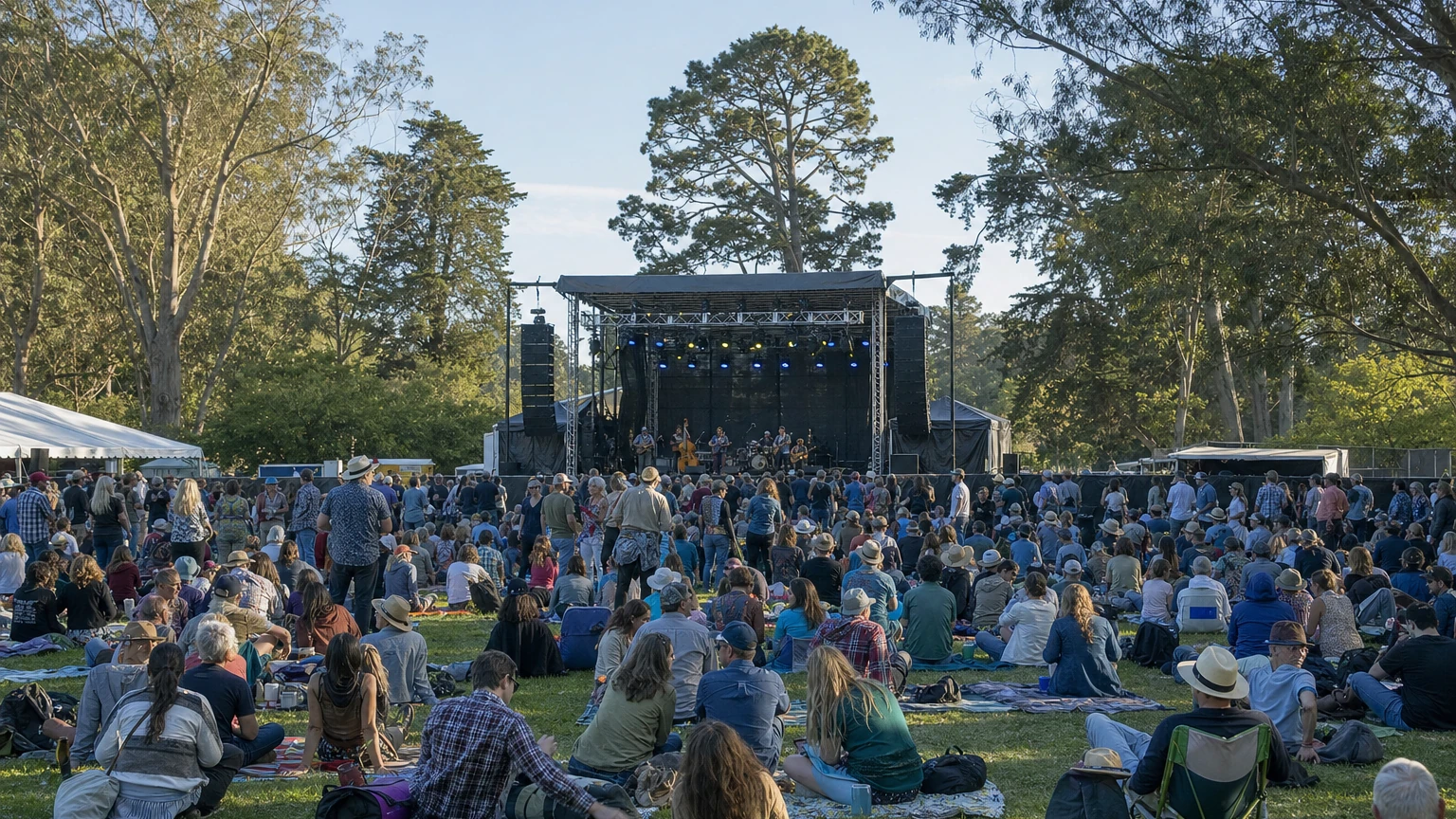
Yerba Buena Gardens Festival uses open-air lawn seating. It welcomes low lawn chairs and picnic blankets, and advises visitors to dress for San Francisco’s changeable outdoor weather.
There is no reserved general seating. If the available venue chairs are in use, the organizer asks visitors to give priority to seniors and people with disabilities.
How do you get there by BART or Muni?
Powell and Montgomery BART/Muni stations are both about two blocks from Yerba Buena Gardens, according to the venue’s visitor information. Several Muni bus routes also run past or near the gardens.
For a downtown event with no admission cost and a fixed five-hour window, transit is likely to be simpler than circling for curb parking. SF News Today’s transit desk can help with service changes on the day.
What about parking?
Yerba Buena Gardens publishes a map of nearby garages but does not promise one universal event parking rate. Drivers should check their chosen garage before leaving and allow for normal downtown weekend traffic.
If you are building a longer Oct. 3 itinerary, the free Bay Area Maya Festival and the Middle Eastern Food Festival are also scheduled that day.